Brand storytelling doesn’t start on social media. It starts in real life.
Long before content calendars, hashtags and algorithms, brands were shaped by the places they existed in, the people they served and the communities around them. Culture has always influenced how businesses show up. Digital platforms have simply made that influence more visible.
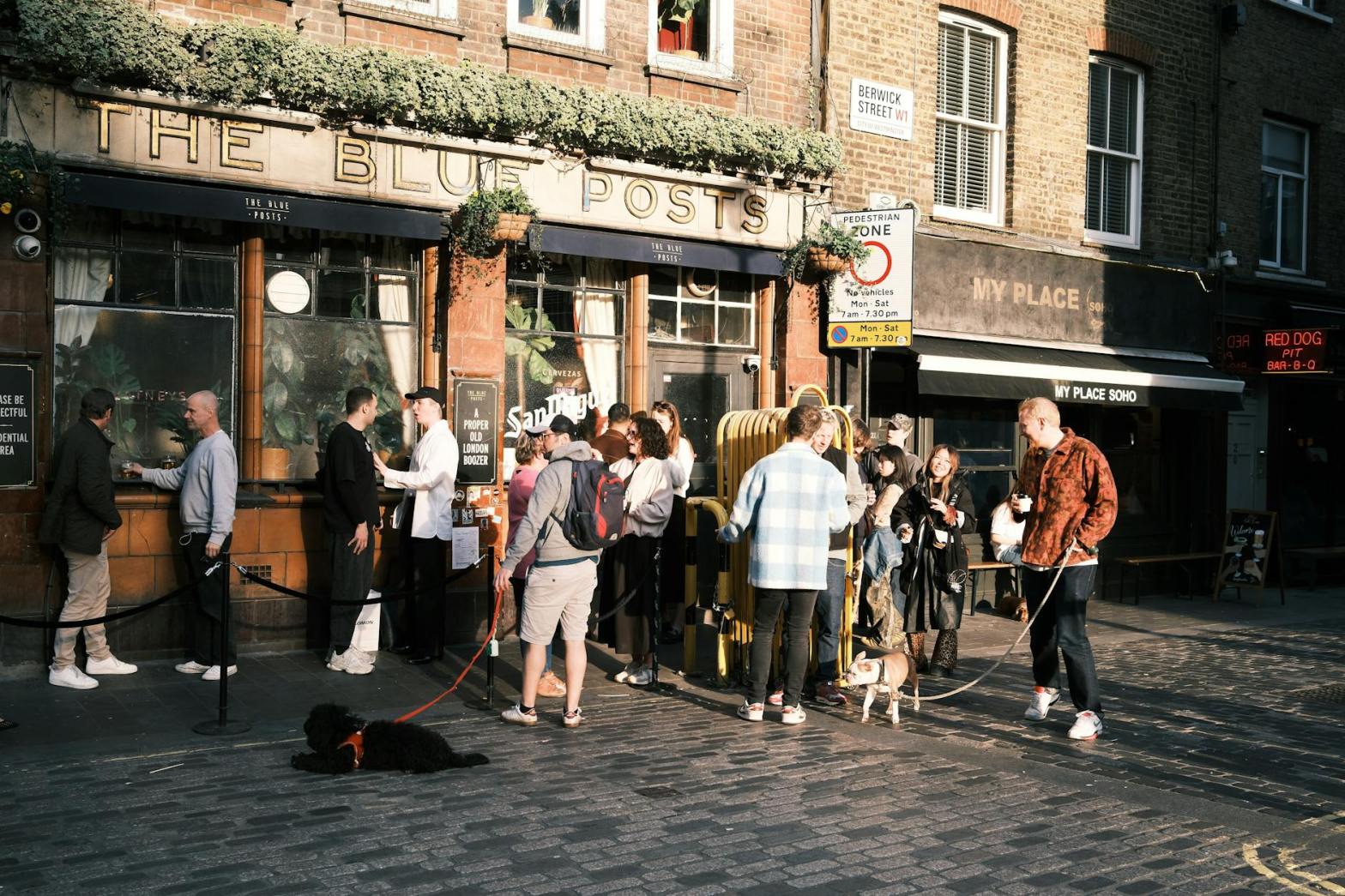
Spend enough time observing how people move through neighbourhoods like Soho and you quickly realise that the strongest brands aren’t always the loudest. They’re the ones that feel rooted. They understand their audience, their environment and their role within it.
Culture gives brands context
Culture is more than trends or aesthetics. It’s behaviour, language, values and lived experience. When brands ignore this, their messaging can feel disconnected or generic, no matter how polished it looks.
A café isn’t just selling coffee. A lifestyle brand isn’t just selling a product. They’re offering a feeling, a point of view and a sense of belonging. That’s what people connect with, and that connection is always shaped by culture.
Digital storytelling works best when it reflects real experiences rather than trying to manufacture them.
Place still matters in a digital world
Even in an online-first era, physical spaces continue to influence how brands communicate. Streets, neighbourhoods and communities shape tone, visuals and identity in subtle but powerful ways.
Hyperlocal storytelling, like that seen on platforms such as My Soho Times, highlights how deeply place shapes a brand’s voice. Independent businesses and creatives are influenced by their surroundings, and that influence comes through in how they communicate.
Brands that understand where they come from tend to communicate with more confidence. Their storytelling feels grounded rather than forced. Whether a business operates locally or globally, people can sense when a brand knows who it is and where it belongs.
Authenticity isn’t accidental
Brands often talk about authenticity, but it doesn’t happen by chance. It comes from paying attention to culture, listening to audiences and being intentional about how stories are told.
When storytelling is aligned with real values and lived experiences, it resonates more deeply. When it isn’t, audiences feel it immediately. In a world where people are constantly marketed to, authenticity has become one of the most valuable currencies a brand can have.
Digital storytelling should feel human
At its best, digital storytelling feels like a conversation, not a broadcast. It reflects how people actually speak, interact and connect. Culture informs that language.
Brands that understand cultural nuance tend to build stronger communities. They attract audiences who engage, respond and stick around, rather than simply scroll past.
This is where storytelling shifts from performance to presence.
Why culture-led storytelling matters now
As we move beyond the mid-2020s, brands are being held to higher standards. People expect clarity, consistency and intention. They want to know who they’re supporting and why.
Culture-led storytelling helps brands show up in a way that feels natural, relevant and trustworthy across digital platforms, print media and real-world touchpoints. It allows businesses to stand out without shouting and connect without forcing it.
The takeaway
Every brand has a story, but not every brand takes the time to understand the culture shaping it.
When storytelling is informed by place, people and perspective, it becomes more than content. It becomes connection.
At The Culture Edit, we believe the strongest brands are built at the intersection of culture and communication. That’s where stories feel real, and where audiences truly engage.
 The Culture Edit